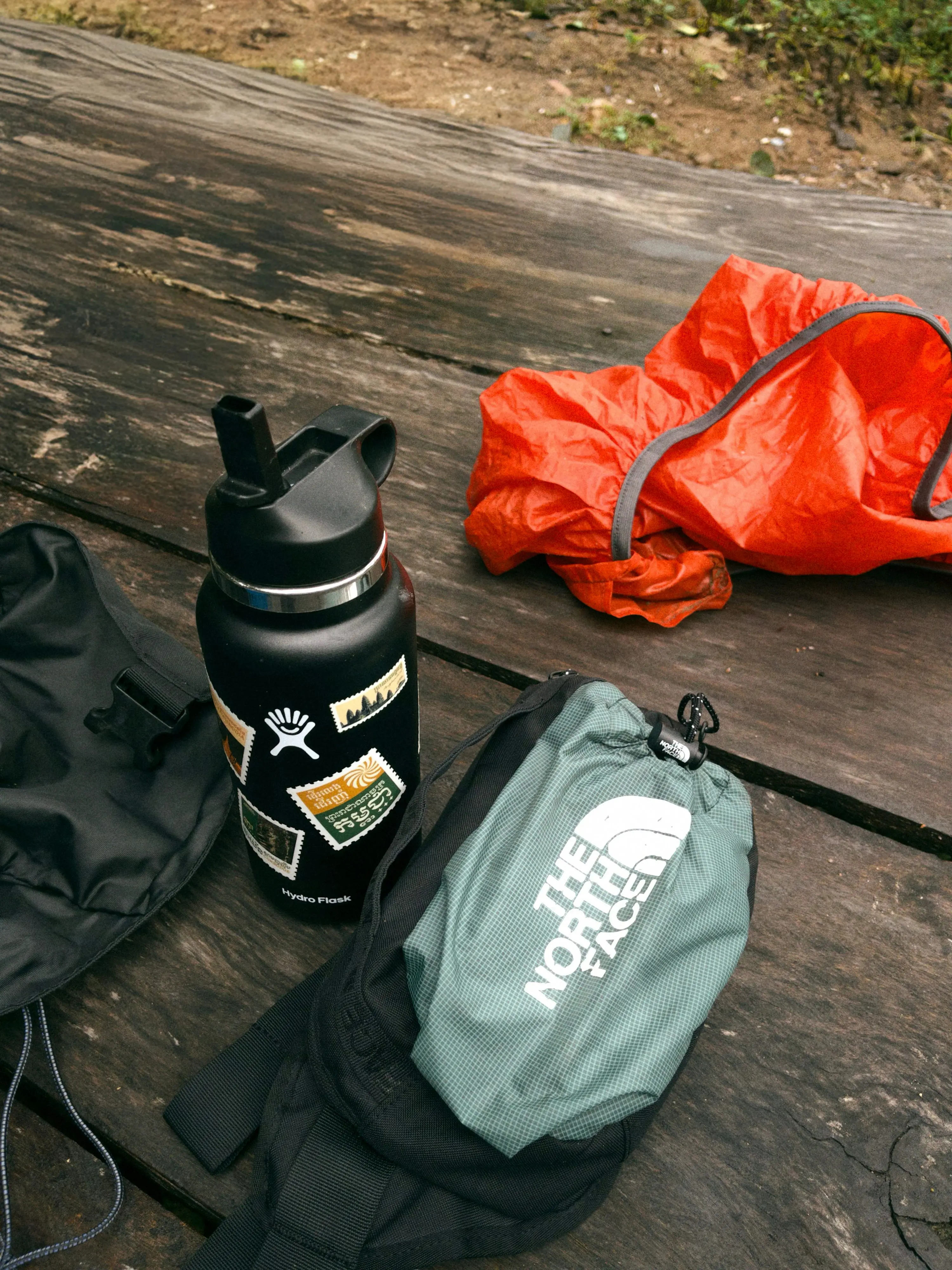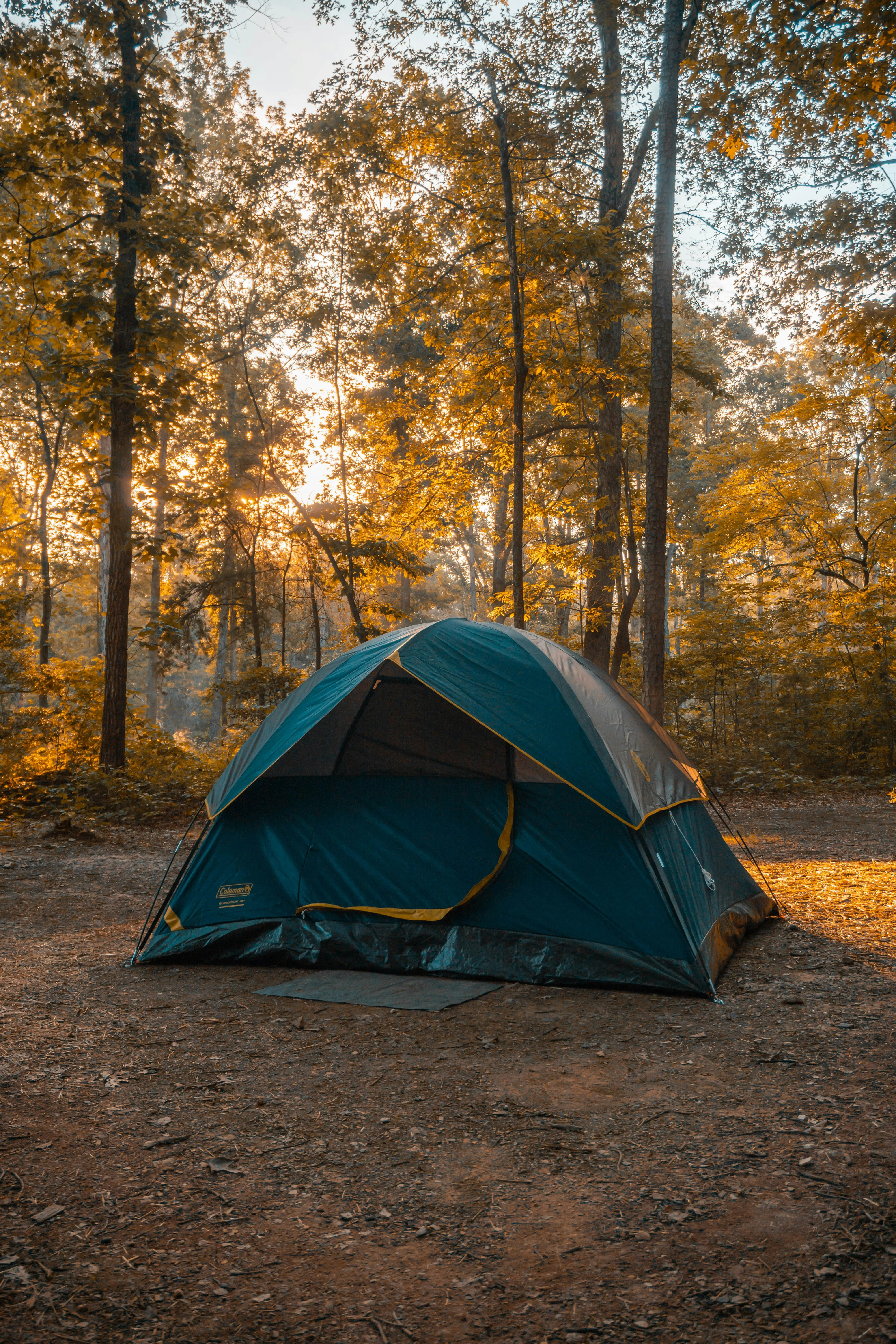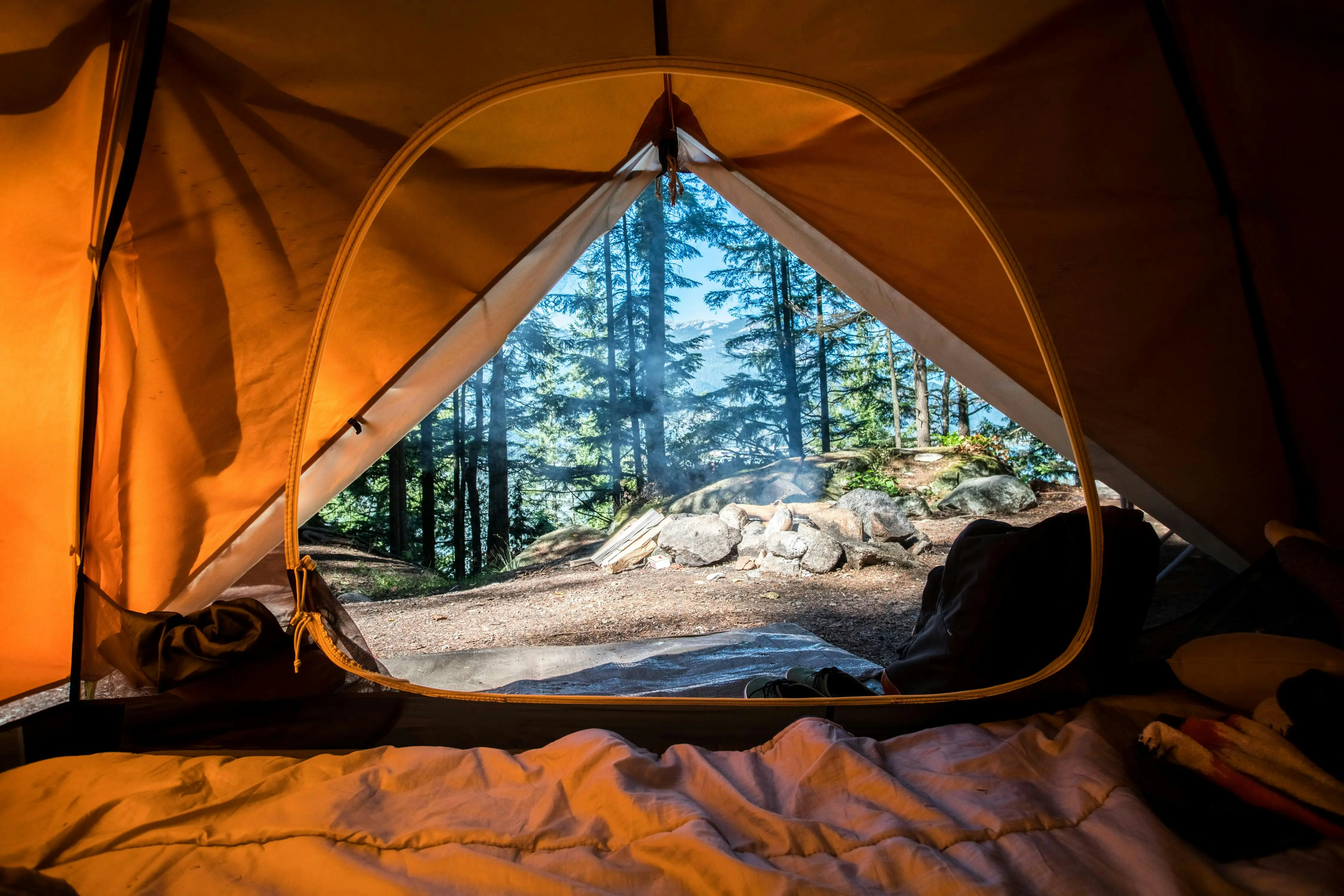
Overpacking often starts with uncertainty. People carry duplicates, edge-case tools, or oversized products because they are trying to eliminate all possible risk. In practice, that usually creates a heavier and less usable kit.
Build around the routine, not fantasy use
A light outdoor gear kit should reflect the specific trip. A short evening walk, car camp, or roadside stop all call for different levels of preparation. Start by identifying the repeated tasks rather than the most dramatic possibility.
Choose fewer but clearer tools
Compact outdoor gear works best when each item has a clear role. The goal is not to own less for its own sake. The goal is to remove overlap and keep only the pieces that keep proving their value.
Why packability changes behavior
When a kit feels light, people are more likely to bring it consistently. That consistency is often more valuable than carrying a theoretically stronger setup that stays at home because it feels like too much effort.