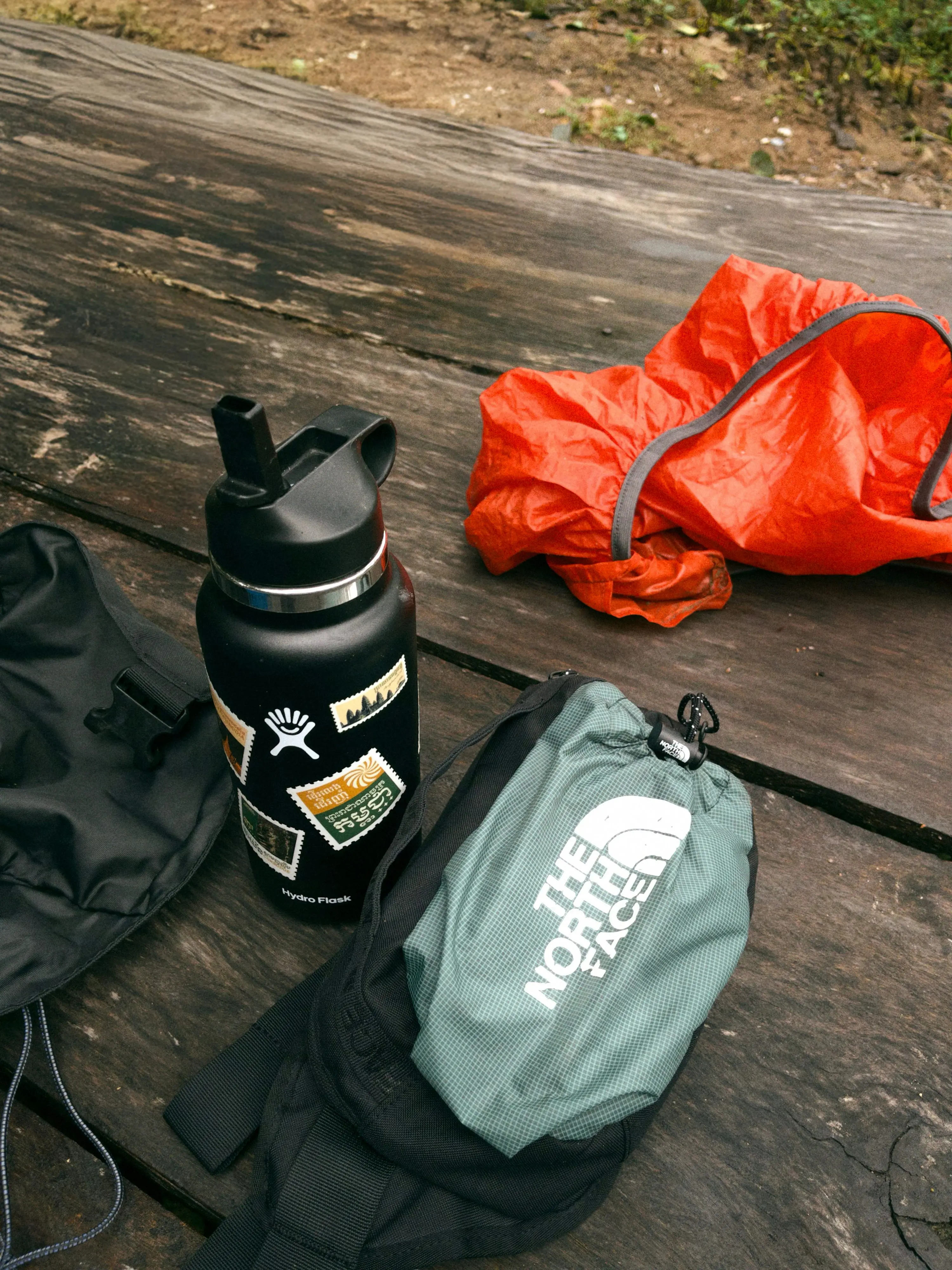
Short trips often get overpacked because people use the same mental model they use for longer outings. A minimal outdoor gear checklist works best when it reflects the actual duration, environment, and tasks involved.
Build the checklist around tasks
Instead of starting with categories, start with what you need to do: move safely, see clearly, stay organized, and handle small problems. That leads to a more honest gear list.
Keep overlap low
A light, a compact organizer, and a few dependable essentials often outperform a larger pile of duplicate tools. The point is to reduce uncertainty without creating unnecessary bulk.
Why this checklist approach supports better gear choices
A lighter, clearer setup makes it easier to identify which products truly earn their place. That is useful both for buyers and for brands developing compact outdoor equipment.